
By Maupin Steffensen Endodontics | August 27, 2026
Living with a missing tooth, severe dental trauma, or a failing root canal can significantly affect your quality of life, making it difficult to chew comfortably, speak clearly, or smile with full confidence. When faced with tooth loss, modern restorative dentistry offers a permanent, natural-looking solution through implant therapy. However, a common question patients ask us during clinical evaluations is: How do you know if you are truly a qualified candidate for this life-changing procedure? Evaluating your suitability involves analyzing several factors, including oral health, systemic wellness, and jawbone structure.
At Maupin Steffensen Endodontics, our board-trained specialists, Dr. Charles Maupin and Dr. Chris Steffensen, bring advanced endodontic training and high-precision microsurgical care to help patients across Lubbock determine if implant therapy is right for them. If you are dealing with missing teeth and want a long-lasting fix for it, visit our dental office for a comprehensive evaluation.
Factors that Decide an Ideal Candidate for Implant Treatment
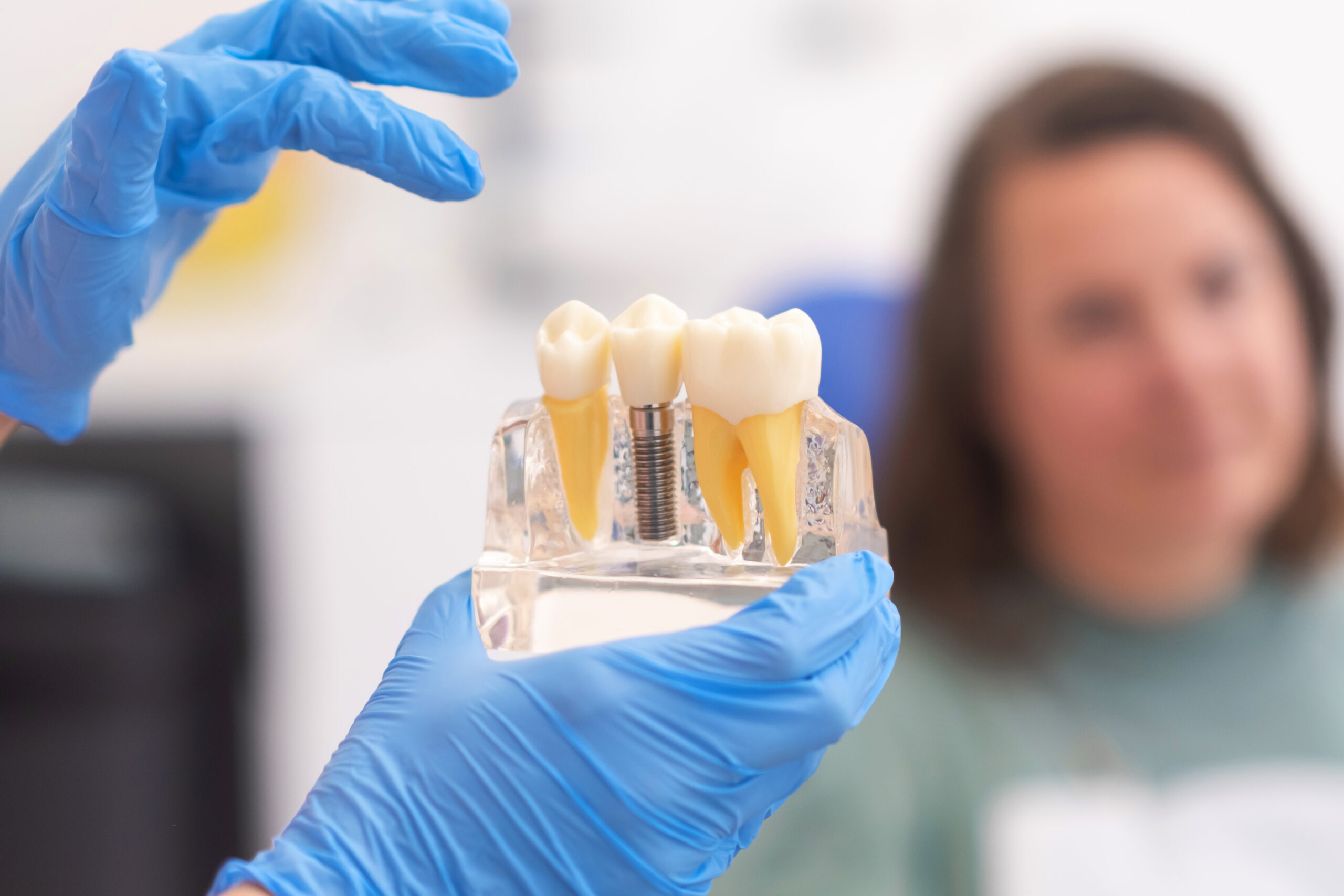
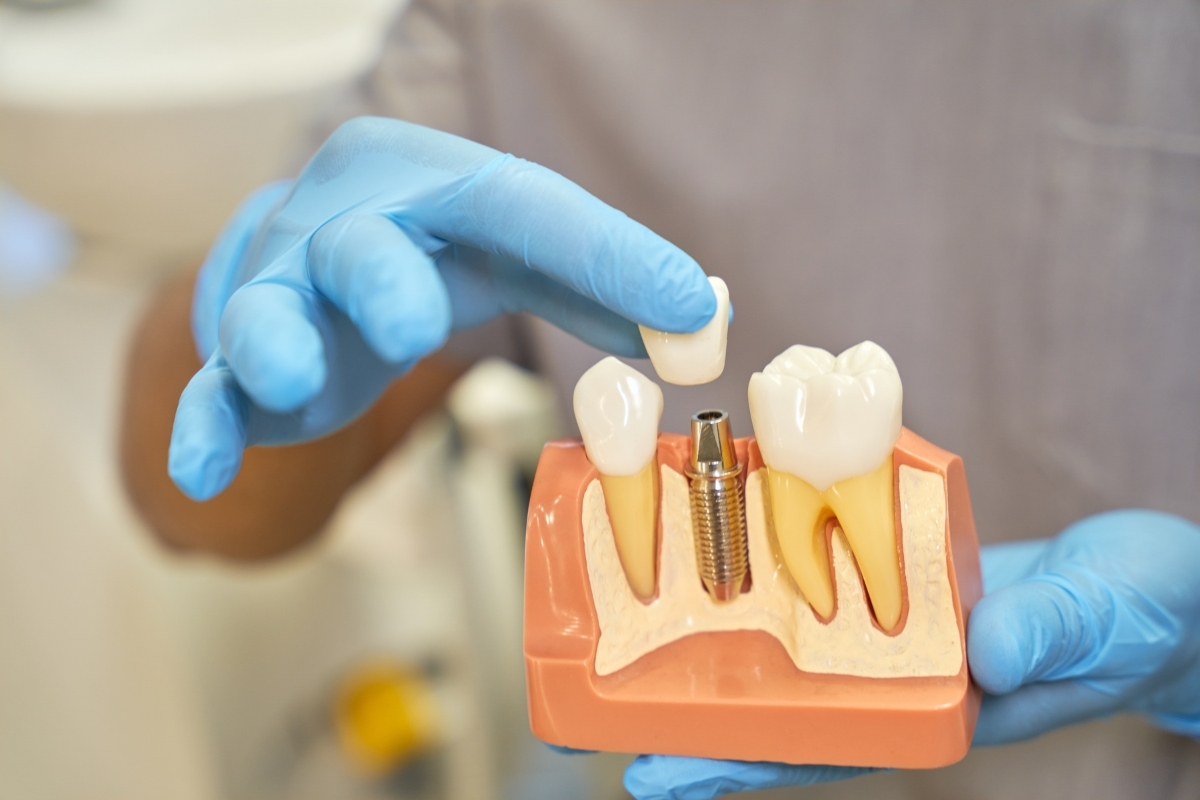
When evaluating a dental implant candidate, dental specialists do not merely focus on missing spaces; we analyze the overall health and stability of the entire oral foundation. Dental implants mimic natural tooth roots by integrating directly with your jawbone through a biological process known as osseointegration. As the implant post serves as an artificial root, your mouth must meet specific health criteria to ensure long-term stability and prevent complications.
Sufficient Jawbone Density and Stature
One of the primary structural criteria evaluated during an assessment is your available bone mass. When a natural tooth root is lost, the surrounding jawbone stops receiving functional stimulation from chewing forces, causing it to gradually resorb (shrink) over time.
To safely anchor a titanium implant, adequate bone density for implants is necessary to support the post under daily biting pressures. During a comprehensive specialty consultation in our 82nd Street office, advanced 3D radiograph imagery (CBCT scanning) is utilized to measure the exact depth, width, and quality of your jawbone in three dimensions.
If bone loss has occurred due to long-standing tooth loss or past infection, it does not automatically eliminate you from treatment. Bone grafting or sinus augmentation procedures can rebuild lost tissue structure, preparing your jaw to successfully support an implant.
Healthy Gums and Optimal Oral Hygiene
The health of your surrounding soft tissues plays a pivotal role in implant success. Healthy, firm gums create a tight protective seal around the implant abutment, keeping harmful bacteria from reaching the underlying bone structure.
During a clinical assessment of dental implant eligibility, active gum disease (periodontitis) must be identified and resolved prior to proceeding. Uncontrolled periodontitis introduces harmful bacteria that can cause peri-implantitis, an inflammatory condition similar to gum disease that compromises the bone holding the implant in place. Candidates must maintain excellent oral hygiene habits, including thorough daily brushing, routine flossing, and staying consistent with professional preventive cleanings.
Good Overall Health and Systemic Stability
Because implant placement involves a minor surgical procedure, overall physical health is just as important as oral health. The body must possess the biological capacity to heal tissues and integrate the titanium post effectively.
When evaluating who can get dental implants, practitioners carefully review medical histories for conditions that could impair tissue healing or compromise the immune response. Conditions that require careful management include:
- Uncontrolled Diabetes: High blood sugar levels can slow down the healing process and heighten the risk of infection.
- Autoimmune Disorders: Conditions that affect immune system function can interfere with bone integration.
- Bisphosphonate Therapy: Certain medications used for osteoporosis management require careful surgical timing.
- Cardiovascular Disease: Well-controlled heart conditions are generally fine, but medical clearance may be recommended.
Having a chronic medical condition does not mean an implant is impossible; it simply means your health must be properly managed and coordinated alongside your medical doctor to ensure a safe, successful outcome.
Non-Smokers or Willingness to Pause Smoking
Tobacco use, whether through cigarettes, cigars, or vaping, significantly impairs blood circulation throughout oral tissues. Reduced vascular flow limits oxygen and vital nutrients from reaching the surgical site, slowing down tissue repair and impairing osseointegration.
Statistical studies show that smoking increases the rate of early implant failure. While tobacco users are not strictly disqualified, ideal candidates are non-smokers or those willing to refrain from smoking for several weeks before and after the procedure to give the surgical site the best environment to heal properly.
Fully Developed Jawbone Structure
Age itself is rarely a limiting factor for adults, many seniors in their 70s, 80s, and beyond are wonderful candidates for dental restoration. However, age does play a strict role for younger patients.
Key dental implant candidacy requirements state that a patient’s jawbone must be fully developed before placing a fixed implant. In teenagers or young adults whose facial bones are still growing, an implant placed too early can become misaligned as neighboring natural teeth shift and grow. For young adults who have experienced tooth loss due to sports injuries or trauma around Texas Tech University or local high schools, temporary restorative solutions are utilized until full jaw maturation is confirmed via digital imaging.
Absence of Severe Bruxism (Teeth Grinding)
Do you wake up with a sore jaw or frequently clench your teeth during stress? Unconscious nighttime teeth grinding, known as bruxism, exerts intense, non-functional pressure on natural teeth and restorations alike.
While heavy clenching or grinding does not prevent you from receiving an implant, it must be proactively addressed. Uncontrolled forces can cause mechanical wear, loosen the implant crown, or damage the internal screw. Candidates with bruxism are typically fitted with a custom-designed nightguard to cushion and shield their new implant from excessive force while sleeping.
Evaluating Your Options: Restoring vs. Replacing Your Natural Tooth
As endodontic specialists, our primary objective is always to preserve natural teeth whenever biologically feasible. Natural teeth provide superior tactile feedback, preserve original root contours, and maintain surrounding gum tissue shapes. Before moving forward with extraction and implant placement, our team thoroughly evaluates whether an compromised tooth can be saved through advanced root canal treatment, microscopic retreatment, or endodontic surgery.
However, when a tooth is cracked vertically, severely fractured below the bone line, or structurally un-restorable, a custom dental implant is the gold-standard replacement. Implants look, feel, and function like natural teeth, stopping adjacent teeth from drifting out of alignment and preventing jawbone shrinkage. To learn more about our comprehensive diagnostic approach and individualized planning, explore our dedicated guide to dental implant treatment in Lubbock.
What to Expect During a Candidate Evaluation in Lubbock
Determining whether you are a prime dental implant candidate requires an expert diagnostic consultation. At Maupin Steffensen Endodontics, our evaluation process is straightforward, thorough, and designed with your total comfort in mind:
- Detailed Clinical Examination: We examine your gums, bite alignment, and adjacent teeth.
- High-Resolution 3D CBCT Imaging: Low-radiation 3D radiographs provide precise cross-sectional views of bone volume, nerves, and sinus cavities.
- Medical History Review: We review medications, health conditions, and lifestyle habits that influence surgical healing.
- Tailored Treatment Planning: If you are a candidate, a step-by-step plan is created. If bone volume is deficient, pre-implant procedures are discussed to get your mouth ready.
Whether you are seeking care following a sudden dental emergency or exploring long-term tooth replacement options, expert endodontic evaluation provides total clarity on your treatment path.
Restore Your Smile with Specialized Care in Lubbock
If you are dealing with missing teeth or an non-restorable tooth, discovering your restorative options is the first step toward regaining optimal oral health. Located at 6010 82nd St #300, Dr. Charles Maupin, Dr. Chris Steffensen, and our compassionate team are dedicated to providing precise, comfortable endodontic care tailored to your unique needs.
Contact Maupin Steffensen Endodontics today to schedule your consultation and take the next step toward a healthy, confident smile.
Frequently Asked Questions (FAQs)
1. Am I too old to get a dental implant?
Age is rarely a limiting factor for dental implants. As long as you have good systemic health, healthy gums, and adequate bone density, adults of any age can safely receive dental implants to restore chewing function.
2. Can I get a dental implant if I have diabetes?
Yes, individuals with diabetes can receive dental implants, provided their blood sugar levels are well-controlled. Proper management minimizes infection risks and supports normal bone healing and integration around the titanium implant post.
3. What happens if I do not have enough bone for an implant?
If you lack sufficient jawbone density, a bone grafting procedure can build up lost tissue. Once healed, the restored bone provides a strong, stable foundation required to safely support a permanent dental implant post.
4. How long does the dental implant process take from start to finish?
The full timeline typically ranges from three to nine months. This includes placement, healing time for osseointegration (where the bone fuses to the post), and attaching your custom-crafted, permanent dental crown.
5. Are dental implants painful to get?
The procedure is performed under effective local anesthesia, making it comfortable during treatment. Most patients report mild post-operative soreness for a few days, which is easily managed with prescribed or over-the-counter pain medications.
6. Can periodontitis cause a dental implant to fail?
Yes, active periodontitis introduces harmful bacteria that can cause peri-implantitis around implants. Any underlying gum disease must be thoroughly treated and brought under control before implant surgery to ensure long-term stability and success.
7. How do I care for my dental implant once it is placed?
Care for a dental implant just like natural teeth: brush twice daily, floss daily, and visit your dentist regularly. Consistent, thorough oral hygiene prevents bacterial buildup and keeps the surrounding gum tissue healthy.