
By Maupin Steffensen Endodontics | August 20, 2026
Losing a tooth affects more than your smile. Over time, the jawbone beneath a missing tooth can weaken because it no longer receives the stimulation it needs from natural tooth roots. This change may impact whether you can receive a dental implant immediately or whether additional preparation is required first.
At Maupin Steffensen Endodontics, Dr. Maupin carefully evaluates each patient’s oral condition to determine the best path to restoring missing teeth. One common question patients ask is: “Do I need a bone graft before dental implant placement?” The answer depends on the amount of available bone, overall oral health, and the stability needed for long-term implant success.
What Is a Bone Graft Before Dental Implant Treatment?
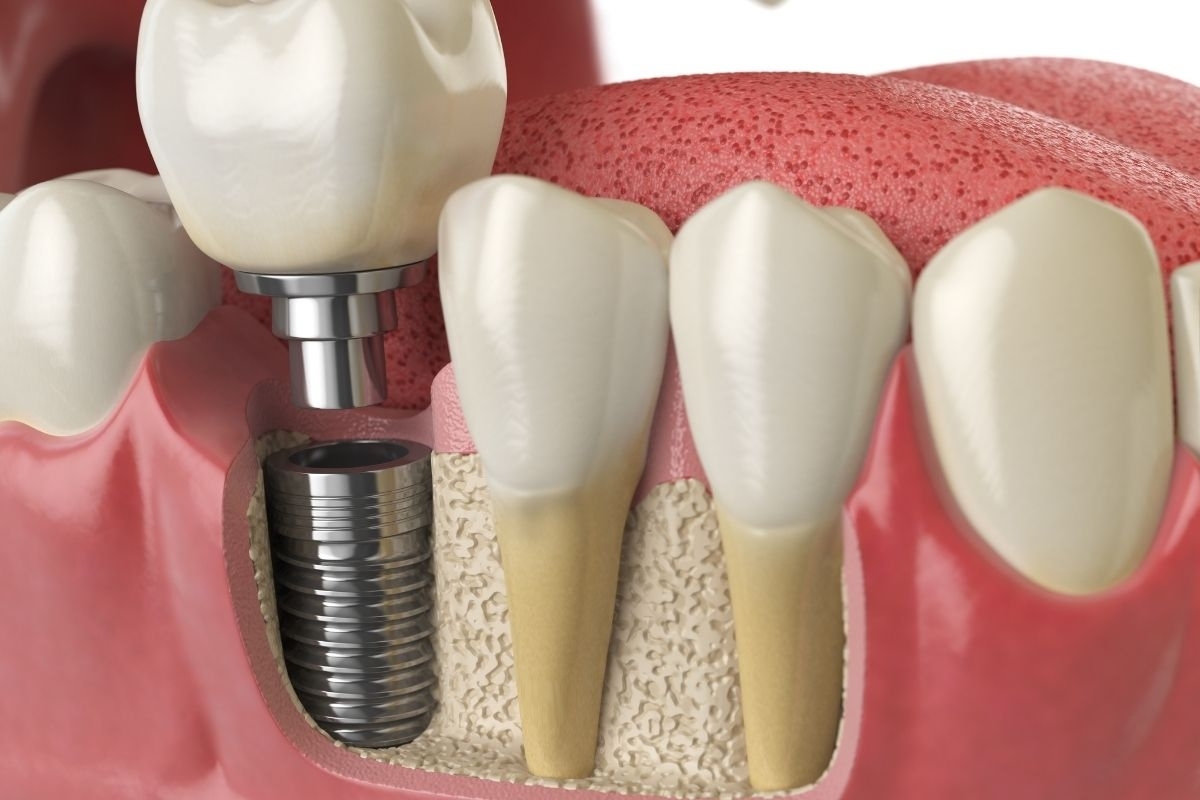
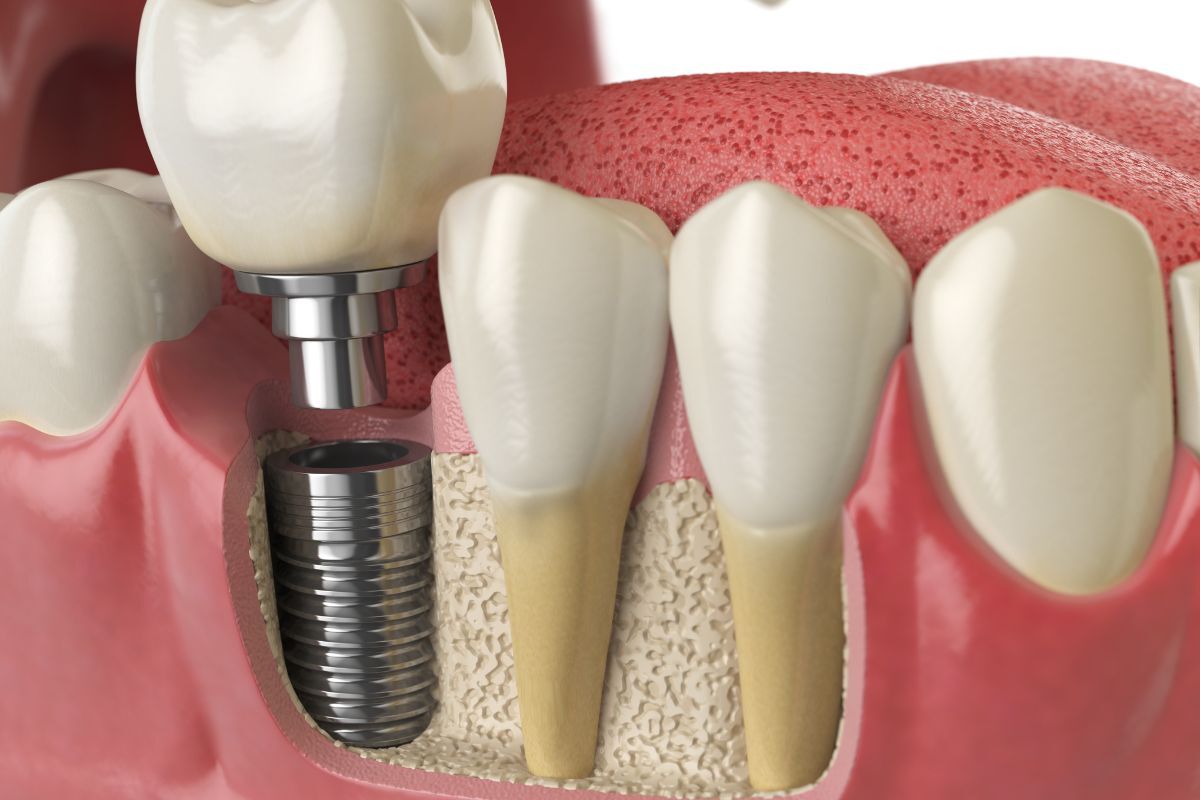
A dental implant requires a strong foundation inside the jaw. When a tooth has been missing for a long time, the surrounding bone may shrink or lose volume. In these situations, a dental implant bone graft may be recommended to rebuild the area and create enough support.
A grafting procedure adds material to areas where bone volume has decreased. Over time, the body works with this material to develop stronger bone structure. This process helps improve the foundation needed for implant placement.
Some common reasons patients may need preparation before receiving an implant include:
- Tooth loss that occurred several months or years ago
- Bone loss caused by infection or trauma
- Natural changes in jaw structure after extraction
- Insufficient bone height or width in the treatment area
How Do You Know If You Have Insufficient Jawbone for Implants?
Not every patient needs a graft before receiving an implant. A detailed evaluation using dental imaging helps determine whether your jaw can support the procedure.
Patients with insufficient jawbone for implants may require additional treatment before moving forward. Signs that bone support may be limited include:
- A missing tooth area that appears sunken
- Long-term tooth loss without replacement
- Previous infections affecting the tooth roots
- Reduced jawbone density visible during imaging
Your dentist may review factors such as bone thickness, bone quality, gum health, and bite alignment. This assessment helps create a predictable plan based on your specific needs.
Why Is Jawbone Density Important for Dental Implants?
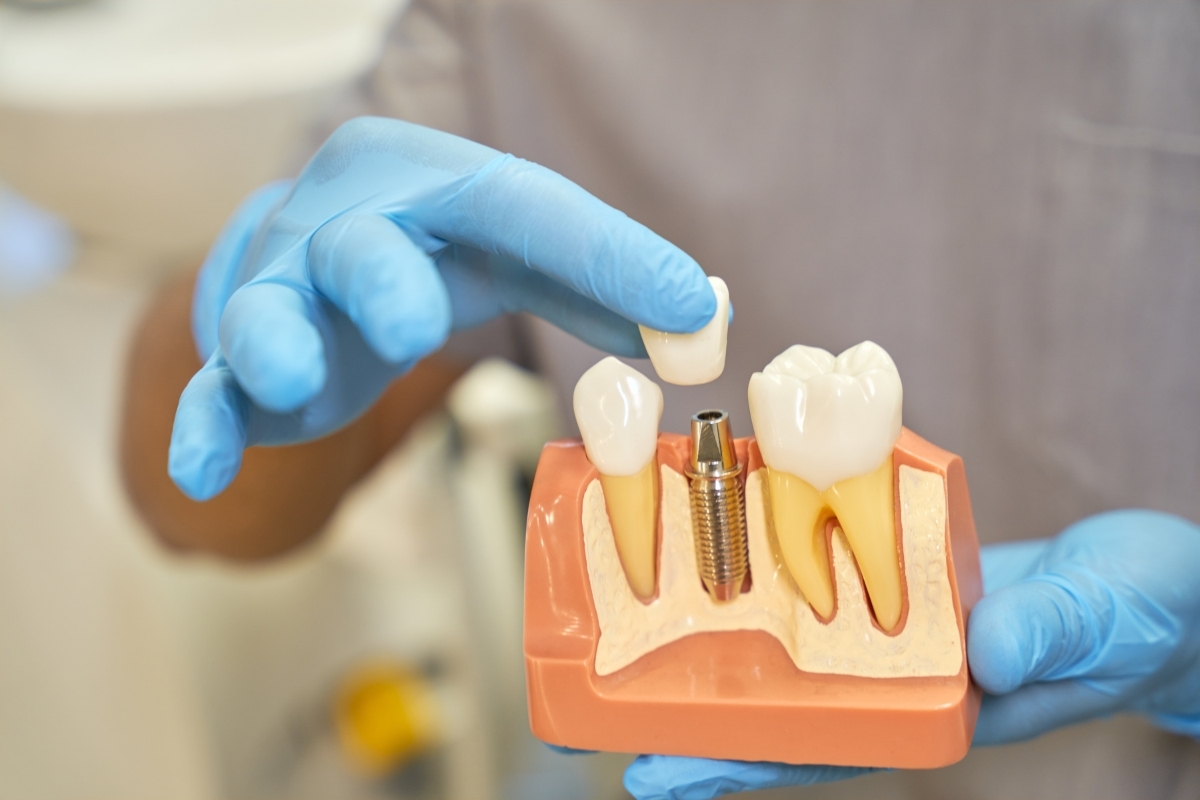
The success of implant placement depends on how well the implant connects with the surrounding bone. Strong jawbone density provides stability and helps support normal chewing function.
When bone volume is reduced, placing an implant without improving the foundation may not provide the stability needed for long-term results. This is why bone grafting for implants is an important option for many patients who want to replace missing teeth but first need additional support.
A consultation allows your dental provider to determine whether your bone structure is ready or if preparation is needed before treatment.
What Happens During Bone Grafting for Implants?
The process begins with a complete evaluation of your mouth and jaw structure. If grafting is recommended, your dentist will explain the procedure and what you can expect throughout healing.
The general steps include:
- Comprehensive examination: Dental imaging is used to evaluate the condition of your jawbone and treatment area.
- Placement of graft material: The graft is carefully placed where additional bone support is needed.
- Healing period: The area needs time to develop stronger bone before implant placement.
- Implant planning: Once healing is complete, your dentist can determine the next step for replacing the missing tooth.
The timeline varies depending on the amount of bone needed and your individual healing process.
Can You Receive Dental Implants Without a Bone Graft?
Some patients have enough natural bone to support an implant without additional procedures. Others may need preparation because bone loss has affected the treatment area.
During your evaluation, your dental provider will consider:
- The location of the missing tooth
- The condition of surrounding teeth and gums
- Bone measurements from imaging
- Your overall oral health goals
The goal is to create a stable foundation before starting dental implant treatment. If you have questions about your options, contact us to discuss whether a grafting procedure may be part of your treatment plan.
What Are the Benefits of Preparing the Jaw Before Implant Placement?
Preparing the treatment area before implant placement can help patients achieve a stronger foundation and improve the chances of a successful outcome.
Benefits may include:
- Creating better support for the implant
- Restoring lost bone volume
- Improving long-term stability
- Helping achieve a natural-looking tooth replacement
A complete evaluation is the first step in understanding whether this additional procedure is necessary for your smile restoration.
Is a Bone Graft Necessary Before Every Implant?
No, a graft is not required for every patient. Some individuals maintain enough bone after tooth loss and can proceed directly with implant placement.
However, if you have experienced bone loss, delaying treatment may make replacement more challenging. Understanding your bone condition early can help you explore available options and avoid unnecessary delays.
A bone graft before a dental implant procedure may provide the support needed for patients with insufficient natural bone.
Restore Your Smile With Proper Implant Planning
Replacing missing teeth is an important decision that requires careful planning. Evaluating your jawbone, understanding your treatment needs, and preparing the area when necessary can help create a stronger path toward restoring your smile.
If you are considering dental implants and want to know whether bone support is needed, Maupin Steffensen Endodontics can help evaluate your options. Schedule a consultation to learn whether a bone graft before dental implant treatment is right for your situation. If you are in Lubbock, book an appointment today and take the next step toward restoring your smile with a personalized dental implant plan.
Frequently Asked Questions
Do I always need a bone graft before getting dental implants?
No, not every patient needs a graft. A dental evaluation and imaging can determine whether your jaw has enough support for implant placement or if additional preparation is needed.
How long does healing take after a dental implant bone graft?
Healing time varies based on the amount of bone added and individual health factors. Many patients require several months before the area is ready for implant placement.
What causes bone loss after losing a tooth?
Bone loss can occur because the jaw no longer receives stimulation from the missing tooth root. Infection, trauma, and delayed replacement can also contribute to reduced bone volume.
Can bone grafting help if I have insufficient jawbone for implants?
Yes, grafting can help rebuild areas with reduced bone support. A consultation can determine whether this approach is appropriate for your implant goals.
Is bone grafting painful?
The procedure is performed with anesthesia to maintain comfort. Some soreness and swelling may occur afterward, but your dental provider will provide recovery instructions.
How do I know if I am ready for dental implants?
A dental professional can assess your oral health, jawbone density, and treatment needs through an examination and imaging before recommending the next step.