
By Maupin Steffensen Endodontics | September 9, 2026
A failed tooth replacement can affect far more than your appearance. A loose bridge, slipping denture, broken crown, or missing tooth may make eating uncomfortable, change the way you speak, and lead you to avoid photos. It can also place added pressure on nearby teeth and allow the jawbone to gradually lose volume.
The encouraging news is that many people have another path forward. A dental implant in Lubbock may replace the missing tooth root and create a stable base for a natural-looking restoration. At Maupin Steffensen Endodontics, Dr. Maupin evaluates each patient’s oral health, bone support, and treatment goals to help determine whether this option fits their needs.
What Does a Failed Tooth Replacement Mean?
A tooth replacement can fail for several reasons. A removable denture may shift while chewing. A bridge can loosen if the supporting teeth develop decay or gum concerns. A crown may crack, or the tooth beneath it may no longer be healthy enough to support it.
Common signs you need an evaluation include:
- Pain or pressure when biting
- A loose, cracked, or broken restoration
- Repeated food trapping around a bridge
- Gum swelling, bleeding, or tenderness
- A gap caused by a lost tooth
- Trouble chewing foods you once enjoyed
Ignoring these signs can make the issue more complex. Prompt care helps protect the surrounding teeth, gums, and jawbone.
Why Can Dental Implants Be an Option After Tooth Replacement Failure?
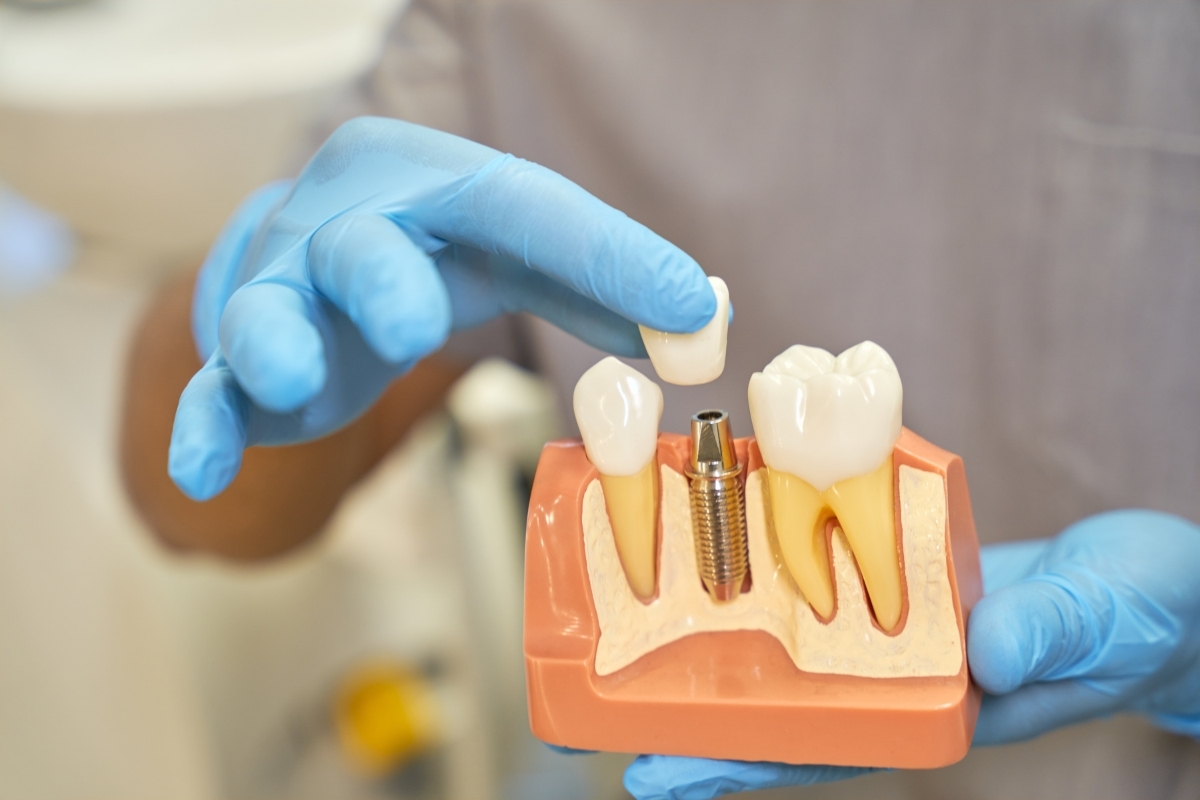
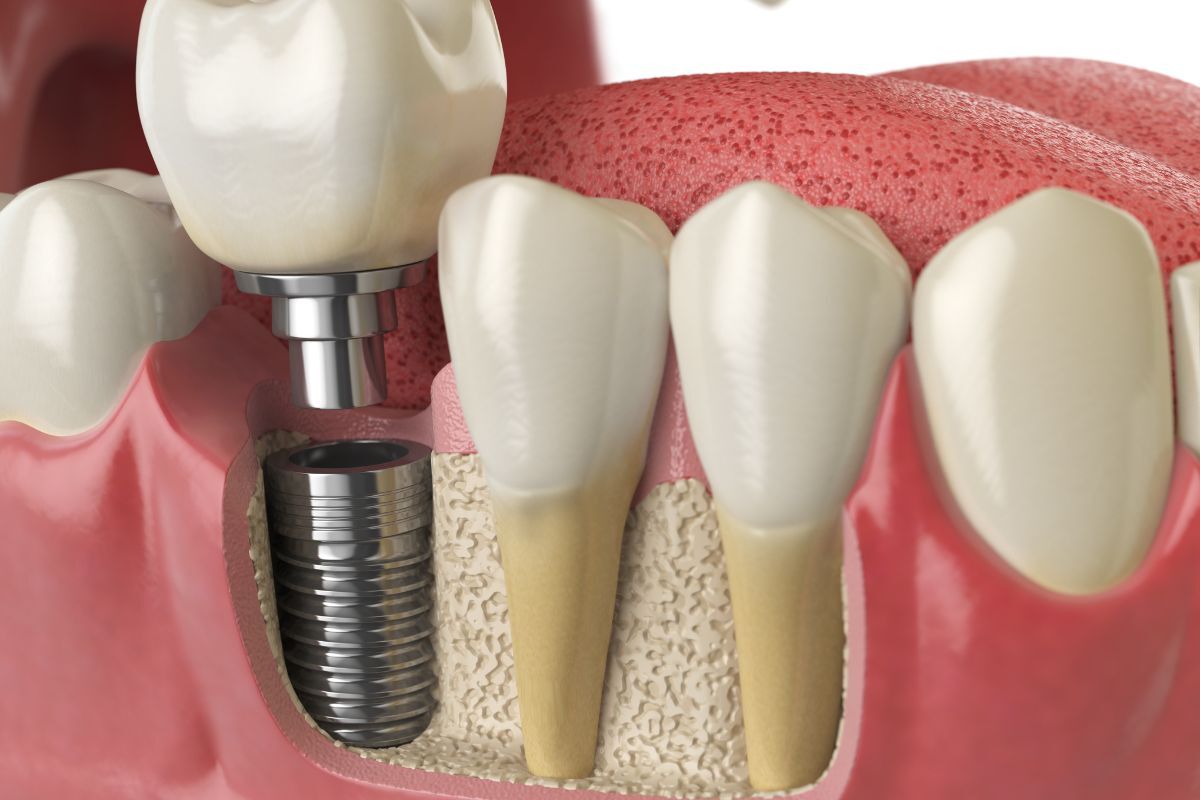
Dental implants replace the missing tooth root with a small titanium post placed in the jawbone. As the area heals, the bone bonds with the implant through a process called osseointegration. Once stable, the post can support a crown, bridge, or denture.
This approach differs from a traditional bridge because it does not rely on neighboring teeth for support. It also differs from a removable denture because it remains fixed in place.
For many patients, tooth implants can help provide:
- More secure chewing and speaking
- A restoration that does not move during daily activities
- Support for jawbone preservation after tooth loss
- A natural-looking replacement tooth
- Less need to alter healthy teeth beside the gap
Are You a Candidate for Implant Treatment?
An evaluation is the only way to know for certain. An implant dentist will review your medical history, examine the gums, and use X-rays or 3D imaging to assess bone levels and the anatomy of the treatment area.
You may be a candidate if you have:
- Healthy gums or gum disease that can first be managed
- Sufficient jawbone to support the post
- A commitment to daily brushing, flossing, and routine visits
- Stable overall health that supports healing
- A missing tooth or a tooth that cannot be predictably saved
Even if bone loss has occurred, treatment may still be possible. Bone grafting can sometimes rebuild support before implant placement. Smoking, uncontrolled diabetes, active infection, and untreated periodontal disease should be addressed because they can affect healing.
Your Tooth Replacement Options Compared
A removable partial denture may replace one or more teeth and can be removed for cleaning. It may be suitable in certain situations, but some patients find it less stable during meals.
A traditional dental bridge fills a gap by attaching a replacement tooth to crowns on adjacent teeth. It can restore appearance and function, but it requires preparing the adjacent teeth.
Dental implants stand independently in the jawbone. They may be used for one missing tooth, several missing teeth, or to help secure a full-arch denture. This option can be especially helpful when a previous bridge or denture no longer meets your needs.
If you are considering a dental implant in Lubbock, visit our dental office for a complete evaluation rather than assuming a prior replacement failure rules out implant treatment.
What Does the Implant Process Involve?
The process begins with planning. Your implant dentist evaluates the area and discusses the restoration that will be placed after healing.
Treatment generally includes these stages:
- Consultation and imaging: The jawbone, gums, bite, and nearby teeth are reviewed.
- Preparation, if needed: Infection control, tooth removal, or bone grafting may be recommended.
- Implant placement: The titanium post is placed under local anesthesia. Sedation may also be discussed for comfort.
- Healing: The bone integrates with the post over several months.
- Final restoration: An abutment and custom crown, bridge, or denture complete the replacement.
Dental implants require patience during healing, but that healing period builds the foundation for a stable result.
How to Protect Your New Tooth Replacement
Long-term success depends on care. Brush twice daily, clean between teeth as directed, attend routine exams, and avoid using teeth to open packages or bite hard objects. If you clench or grind, ask about protection for your restoration.
Report gum bleeding, discomfort, looseness, or bite changes promptly. Early attention can help preserve both the restoration and the tissues around it.
Take the Next Step Toward a Secure Smile in Lubbock
A failed bridge, denture, or lost tooth does not have to define your smile. Dental implants may offer a stable, lasting way to restore comfort, confidence, and daily function. Maupin Steffensen Endodontics can help you understand your options and plan the next step with clarity.
If you are ready to explore a dental implant in Lubbock, book an appointment at our Lubbock dental office today.
Frequently Asked Questions
Can I get an implant after a bridge fails?
Often, yes. The area must be examined for gum health, bone support, and the condition of nearby teeth. A consultation can determine whether implant treatment is appropriate before another replacement is chosen.
Is implant treatment painful?
Local anesthesia is used during placement, so you should not feel pain during the procedure. Mild soreness afterward is common and can usually be managed with prescribed or over-the-counter medication as directed.
How long does implant treatment take?
The timeline depends on healing, bone quality, and whether preparation is needed. Many cases take several months because the implant needs time to bond with the jawbone before the final restoration is placed.
What if I do not have enough jawbone?
Bone loss does not always rule out treatment. Imaging can show whether bone grafting or another preparatory step may help create the support needed for a secure implant foundation.
Can an implant replace more than one missing tooth?
Yes. Depending on your needs, an implant-supported bridge may replace several teeth, while other options can help secure a full-arch denture. An examination helps identify the appropriate approach.
How do I know whether my old restoration should be replaced?
Looseness, pain, cracking, gum inflammation, frequent repairs, or difficulty chewing are reasons to schedule an evaluation. Addressing concerns early can protect your oral health and expand your replacement options.