
By Maupin Steffensen Endodontics | September 11, 2026
A cracked tooth can seem like a small dental problem, especially when the crack is difficult to see, or the discomfort comes and goes. However, a crack can sometimes create a pathway into the deeper layers of the tooth. Once bacteria reach the pulp, the living tissue containing nerves and blood vessels, inflammation or infection may develop.
That is why pain from a cracked tooth should not be ignored. Early evaluation can determine how deep the crack extends, whether the pulp is involved, and whether the natural tooth can still be preserved. The sooner the problem is identified, the more options there may be for protecting the tooth.
At Maupin Steffensen Endodontics, Dr. Charles Maupin and Dr. Chris Steffensen provide endodontic care for patients in Lubbock, TX, including the diagnosis and treatment of cracked and infected teeth. Our focus is on identifying the source of dental pain and preserving natural teeth whenever possible.
If you have unexplained tooth pain, sensitivity, swelling, or discomfort when biting, visit our Lubbock dental office for an evaluation before the problem has an opportunity to progress.
Yes, a Cracked Tooth Can Lead to an Infection
A cracked tooth can become infected when the fracture extends far enough to expose or provide bacteria access to the pulp.
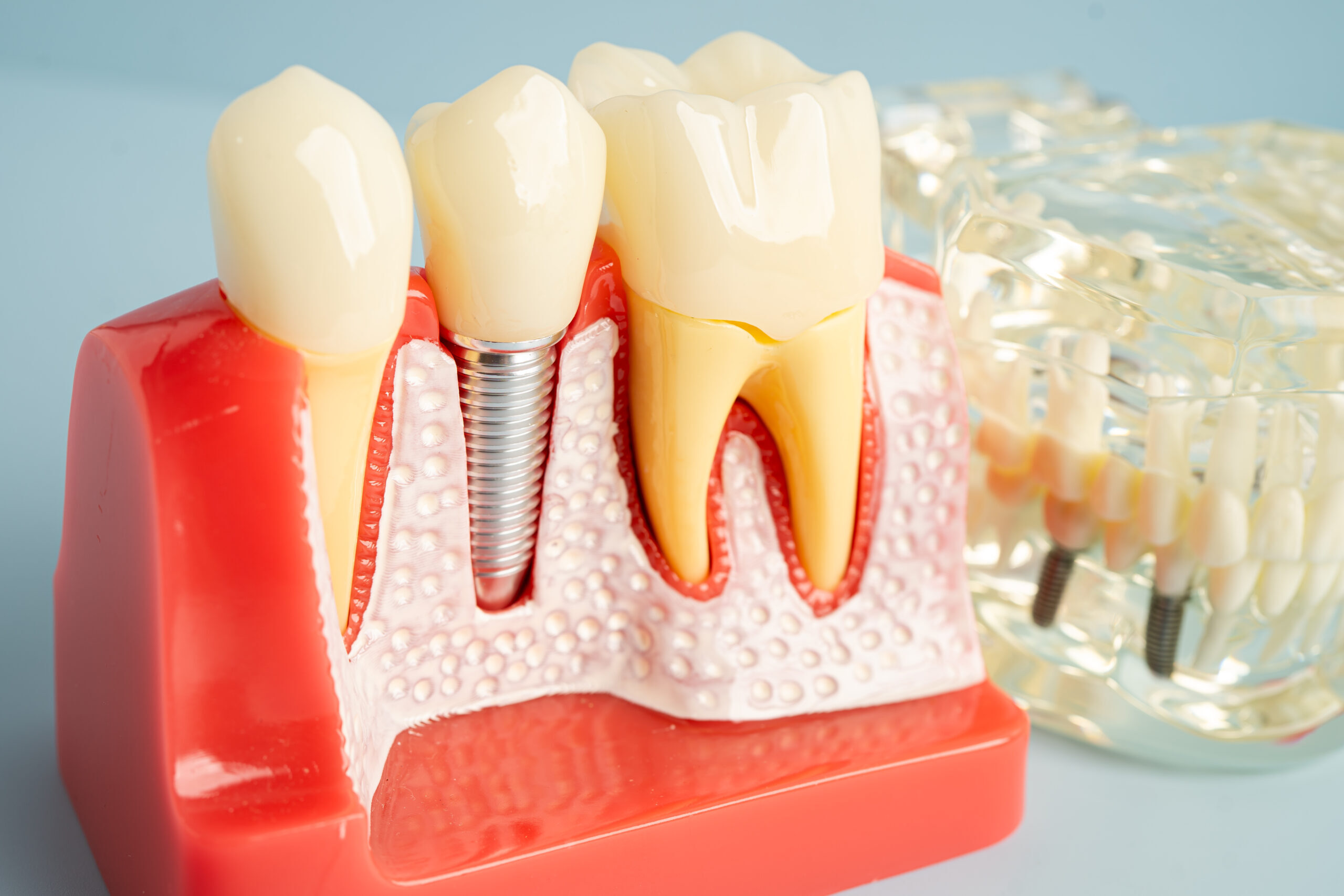
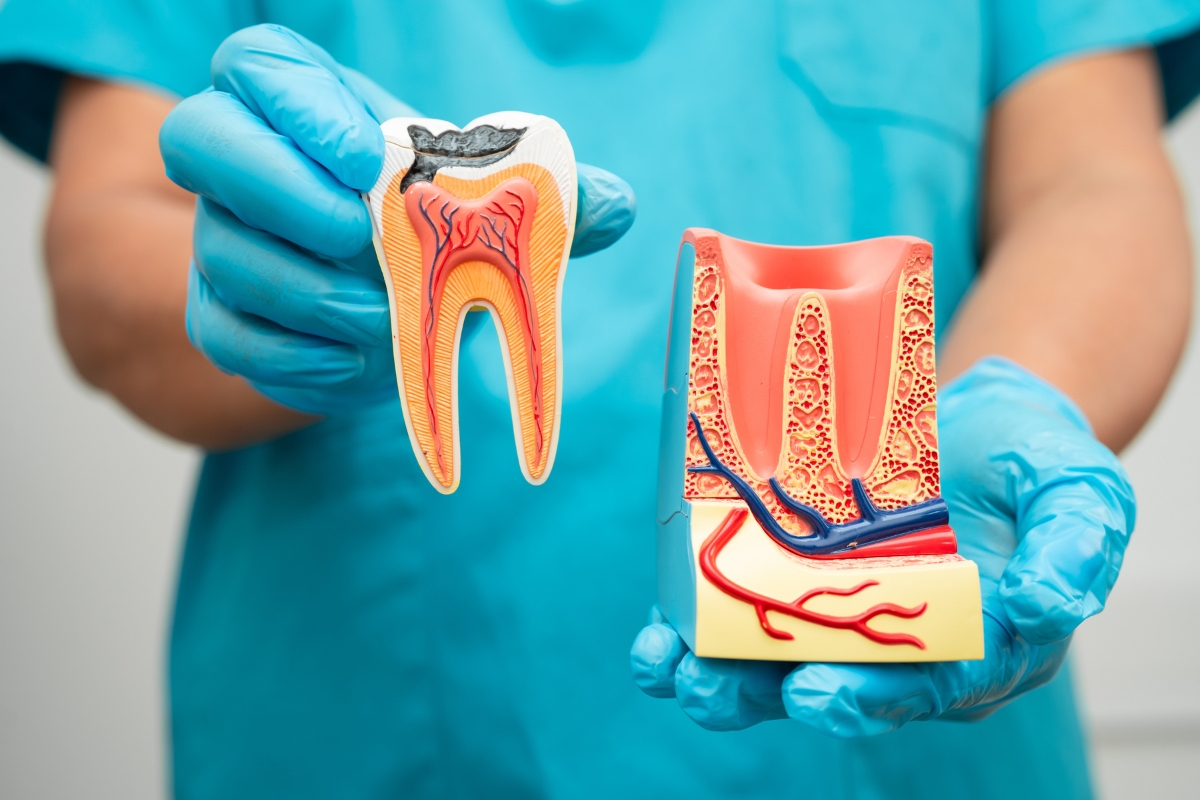
To understand why, it helps to look at the basic structure of a tooth. Enamel forms the hard outer surface. Beneath it is dentin, and deeper inside is the pulp. The pulp contains nerves, connective tissue, and blood vessels.
When a crack remains limited to the outer tooth structure, the pulp may remain healthy. If the crack progresses deeper, however, bacteria from the mouth can potentially reach the pulp. The tissue may become inflamed and, eventually, infected.
The risk depends heavily on the crack’s location, depth, and extent. This is one reason two people with seemingly similar cracked teeth can require very different treatment.
Why Do Teeth Crack in the First Place?
Teeth withstand considerable pressure every day, but they are not indestructible. A crack may develop suddenly after an injury or gradually after repeated stress.
Common contributing factors include:
- Biting down on ice, hard candy, or another hard object
- Trauma to the mouth or face
- Grinding or clenching the teeth
- Large restorations that leave less natural tooth structure
- Repeated chewing pressure over time
- Sudden stress placed on a weakened tooth
A crack can also occur without an obvious dramatic event. A patient may simply notice that one tooth suddenly hurts when chewing.
Because cracks are not always visible, symptoms often provide important clues.
What Are the Signs That a Cracked Tooth May Be Infected?
Symptoms vary depending on the location of the crack and the condition of the pulp. Some cracked teeth cause intermittent symptoms at first, while an infected tooth may eventually produce more persistent problems.
Pain When Biting or Releasing Pressure
A classic warning sign is sharp pain when you chew, especially when you release your bite. Movement of the cracked portions of the tooth can irritate the pulp.
The discomfort may not happen every time you eat. This inconsistency can make cracked teeth frustrating for patients to identify.
Lingering Temperature Sensitivity
A cracked tooth may become sensitive to cold or heat. Pay particular attention when the sensation continues after the hot or cold item has been removed.
Lingering sensitivity can indicate that the pulp inside the tooth has become significantly irritated or damaged.
Swelling Around the Tooth
Swelling or tenderness in the gum near a painful tooth deserves prompt attention. If an infection has developed around the root, inflammation may affect the surrounding tissues.
A small bump resembling a pimple may also develop on the gum in some cases.
Persistent or Throbbing Toothache
Pain from a cracked tooth may initially appear only during chewing. As pulp inflammation or infection progresses, discomfort can become spontaneous, persistent, or throbbing.
You may begin feeling pain even when you are not eating or touching the tooth.
Tooth Discoloration
A tooth that becomes noticeably darker after an injury may have suffered damage to its pulp. Discoloration alone does not confirm an infection, but it is a reason to have the tooth examined.
Can a Cracked Tooth Be Infected Without Hurting?
Yes. Lack of pain does not necessarily mean that the tooth is healthy.
The pulp contains the tooth’s nerves. If the pulp becomes severely damaged and eventually loses vitality, an earlier toothache can sometimes decrease. A patient might assume the problem has resolved even though infection remains within the root canal system.
That is an important distinction. A reduction in pain is not always the same as healing.
Cracked teeth also do not repair themselves in the way a broken bone can. Professional evaluation is necessary to determine the condition of the tooth and whether treatment is needed.
What Happens If an Infected Cracked Tooth Is Left Untreated?
Once bacteria have infected the pulp, the infection generally cannot be resolved by brushing harder, using mouthwash, or waiting for the tooth to heal.
Without appropriate dental treatment, infection may move through the root canal system and affect tissues surrounding the end of the root. An abscess may develop.
Possible consequences include:
- Increasing tooth pain
- Gum or facial swelling
- Pain when chewing
- Drainage near the tooth
- Loss of supporting bone around the root
- Further structural damage
- Eventual loss of the tooth
Waiting may also reduce the number of ways the natural tooth can be preserved. With cracked teeth in particular, the extent and direction of the fracture strongly influence the prognosis.
How Do We Diagnose a Cracked Tooth?
Diagnosing cracks can be challenging because some fractures are extremely small and may not appear clearly on a standard dental X-ray.
An endodontic evaluation may include discussing when the symptoms occur, examining the tooth, checking the surrounding gums, evaluating sensitivity, and performing biting or pulp tests.
At Maupin Steffensen Endodontics, advanced diagnostic technology supports our evaluation of complex dental problems. Our Lubbock office uses cone beam computed tomography (CBCT) when appropriate to provide three-dimensional views of teeth, roots, canals, and surrounding bone. Surgical operating microscopes can also provide significant magnification and illumination when identifying problems such as cracks and root fractures.
Technology does not replace clinical judgment, but it can provide valuable information when symptoms or conventional imaging do not tell the entire story.
Does Every Cracked Tooth Need a Root Canal?
No. A crack does not automatically mean you need root canal treatment.
Treatment depends on the type of crack, how far it extends, the amount of healthy tooth structure remaining, and whether the pulp has become irreversibly inflamed or infected.
A more superficial crack may sometimes be managed without endodontic treatment. Your restorative dentist may recommend a crown or another restoration to protect the tooth, depending on the circumstances.
When a crack reaches the pulp and the pulp cannot recover, root canal treatment may be necessary.
During root canal treatment, the damaged or infected pulp is removed. The internal root canal spaces are then cleaned, shaped, filled, and sealed. The goal is to eliminate the diseased tissue while preserving the natural tooth.
Following endodontic treatment, the tooth generally needs an appropriate final restoration to protect it and restore normal function.
Can Every Cracked Tooth Be Saved?
Unfortunately, no treatment can save every cracked tooth.
The prognosis depends greatly on where the fracture travels. A crack that can be treated and restored may have a very different outlook from a fracture extending deeply below the gumline or through the root.
This is why early diagnosis matters.
When we evaluate a cracked tooth, the question is not simply, “Is there a crack?” We also need to determine where the crack goes, what tissues are affected, whether infection is present, and whether the remaining tooth can predictably support treatment and restoration.
If the tooth can be preserved, endodontic treatment may play an important role. If the fracture makes predictable restoration impossible, extraction may ultimately be recommended.
Our priority is to provide patients with a clear understanding of what we find so they can make an informed decision about their dental care.
What Should You Do If You Think Your Tooth Is Cracked?
If a tooth suddenly hurts when you bite, becomes unusually sensitive, or begins causing unexplained pain, schedule an evaluation rather than waiting to see whether it disappears.
Until you are seen:
- Avoid chewing hard foods on the affected side.
- Do not intentionally test the tooth by repeatedly biting on it.
- Continue gentle brushing and flossing.
- Avoid very hot or cold foods if they trigger sensitivity.
- Seek prompt care if pain or swelling increases.
Facial swelling, fever, difficulty swallowing, or difficulty breathing can indicate a more urgent medical problem and warrants immediate attention.
Early Evaluation Can Make a Difference for Your Tooth
A cracked tooth is not always infected, but a deep crack can allow bacteria to reach the pulp and create a much more serious problem. The challenge is that the symptoms may be inconsistent, and the crack itself may be difficult to see.
That is where a thorough endodontic evaluation becomes valuable.
At Maupin Steffensen Endodontics in Lubbock, TX, we focus on diagnosing dental pain, evaluating cracked teeth, treating infections within teeth, and preserving natural teeth whenever the clinical situation allows. Dr. Charles Maupin and Dr. Chris Steffensen combine endodontic training with modern diagnostic technology to determine what is happening beneath the visible surface of a painful tooth.
If you suspect that you have a cracked or infected tooth, do not wait for the pain to become severe. Schedule an appointment with Maupin Steffensen Endodontics in Lubbock and let us determine what your tooth needs to stay healthy, functional, and part of your smile.
Frequently Asked Questions About Cracked Tooth Infections
1. How quickly can a cracked tooth become infected?
There is no fixed timeline. Infection risk depends on the crack’s depth, location, and exposure to bacteria. A deep crack involving the pulp deserves prompt evaluation even when symptoms are currently mild.
2. Can antibiotics cure an infected cracked tooth?
Antibiotics alone do not remove infected tissue from inside a tooth. Depending on the diagnosis, definitive dental treatment may be necessary to address the source of infection and prevent the problem from continuing.
3. How can I tell whether my tooth is cracked or just sensitive?
Cracked teeth may cause sharp biting pain, temperature sensitivity, or intermittent discomfort. Other dental conditions can cause similar symptoms, so a clinical examination and diagnostic testing are needed to identify the actual cause.
4. Does a cracked tooth always hurt when it becomes infected?
No. Symptoms vary considerably. Some infected teeth become very painful, while others cause limited discomfort, particularly after the pulp loses vitality. Swelling, tenderness, drainage, or discoloration can also indicate a problem.
5. Can a cracked tooth heal naturally?
A true crack in tooth structure does not naturally fuse back together. Treatment depends on its severity and location. Early assessment can help prevent additional damage and determine whether the natural tooth is preservable.
6. When does a cracked tooth require root canal treatment?
Root canal treatment may be recommended when a crack has caused irreversible pulp inflammation or infection but the tooth remains restorable. An endodontist evaluates the pulp and fracture before determining whether treatment is appropriate.
7. Should I see an endodontist for a cracked tooth?
An endodontist focuses on diagnosing tooth pain and conditions involving dental pulp and roots. Complex cracks, unexplained biting pain, or suspected pulp infection may benefit from an endodontic evaluation to determine appropriate treatment.