

By Maupin Steffensen Endodontics | September 18, 2026
Not sure if that toothache is just a cavity or something more serious? The two conditions can feel similar at first, but they call for very different treatment. A cavity affects the outer surface of a tooth, while a tooth infection reaches the nerve tissue inside it. At Maupin Steffensen Endodontics in Lubbock, TX, Dr. Charles Maupin sees patients every week who assumed a cavity was the problem, only to learn the infection had already reached the pulp. Here’s how to tell the two apart and why an exam settles it faster than guessing.
What Is a Cavity?
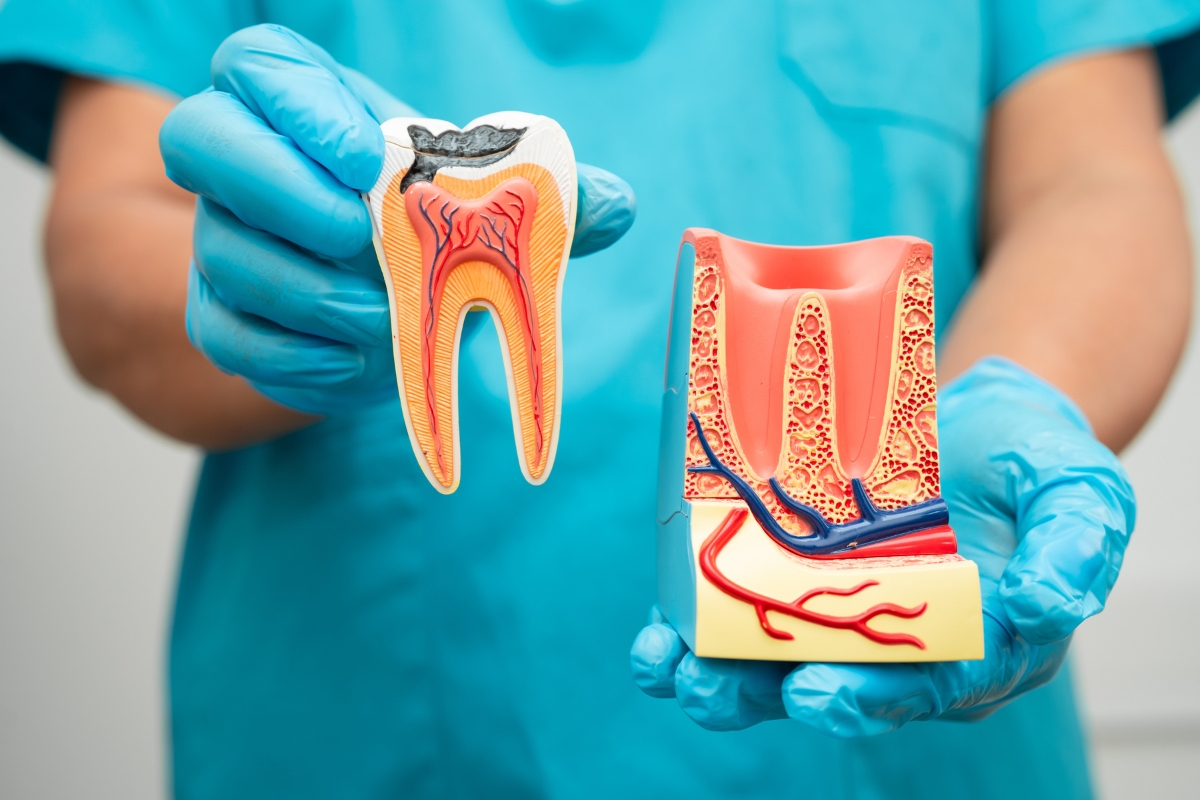
A cavity is a hole in the tooth caused by bacteria and acid wearing through enamel. Early cavities often cause mild, occasional sensitivity to sweets or cold and can be treated with a simple filling. Left untreated, decay gradually deepens and can eventually reach the nerve.
What Is a Tooth Infection?
A tooth infection develops when bacteria reach the pulp, the soft tissue inside the tooth containing nerves and blood vessels. This usually happens after decay progresses undetected or after a crack allows bacteria inside. Once the pulp is involved, a filling alone can no longer resolve the problem.
Cavity vs. Tooth Infection: Key Differences at a Glance
| Feature | Cavity | Tooth Infection |
| Location | Outer enamel and dentin | Inner pulp tissue |
| Typical pain | Mild, comes and goes | Persistent, often throbbing |
| Sensitivity | Brief reaction to sweets or cold | Lingers after the trigger is removed |
| Swelling | Rare | Common near the affected tooth |
| Usual treatment | Filling or crown | Root canal therapy or extraction |
Pain Patterns That Tell Cavity and Infection Apart
Pain is often the first clue, and how it behaves matters more than how intense it feels.
What Cavity Pain Usually Feels Like
Cavity-related discomfort tends to be brief and triggered by something specific, like a cold drink or a bite of candy. It typically fades within seconds once the trigger is removed. Many early cavities cause no pain at all and show up only on a routine exam.
What Infection Pain Usually Feels Like
Infection-related pain tends to linger well after the trigger is gone and can become constant as pressure builds inside the tooth. It often intensifies when lying down, since blood flow to the head increases. Pain that wakes you up at night is a common marker of infection rather than a simple cavity.
Can a Cavity Turn Into a Tooth Infection?
Yes. An untreated cavity that reaches the pulp becomes an infection, since bacteria then have direct access to the nerve tissue. This is why catching decay early, before it reaches that depth, keeps treatment limited to a dental filling rather than a root canal.
Why You Can’t Diagnose It Yourself
Home tests like biting on something or rinsing with cold water can offer a rough clue, but they don’t reliably distinguish a deep cavity from an infection. Pain intensity varies by person, and some infections cause little discomfort until they’ve progressed significantly. Symptoms alone can’t confirm whether the pulp is involved.
How Endodontists Diagnose the Difference
An accurate diagnosis relies on more than a visual exam. Endodontists use a combination of tests to pinpoint what’s happening inside the tooth:
- Cold and heat testing checks how the nerve responds to temperature and whether that response lingers.
- Percussion testing taps the tooth gently to check for tenderness that suggests inflammation at the root.
- Electric pulp testing measures whether the nerve is still responsive.
- 3D imaging shows decay depth, bone changes, and root structure that aren’t visible during a standard exam.
At Maupin Steffensen Endodontics, Dr. Steffensen and the team use 3D radiographs and a surgical operating microscope to confirm exactly which tissue is affected before recommending treatment.
Does West Texas’s Dry Climate Affect Cavity Risk?
Lubbock’s low humidity and frequent wind contribute to dry mouth for a lot of residents, and saliva plays a direct role in neutralizing the acid that causes cavities. Reduced saliva flow gives bacteria more opportunity to wear through enamel between dental visits. Staying hydrated and using fluoride toothpaste helps offset this risk, particularly during Lubbock’s driest months.
What Happens After Diagnosis: Treatment Paths
Treatment depends entirely on how deep the problem goes. A cavity confined to enamel or dentin is typically treated with a filling, while a larger cavity may need a crown. Once bacteria reach the pulp, root canal therapy removes the infected tissue and preserves the natural tooth in most cases. If a previous root canal is causing renewed pain, endodontic retreatment or surgery may be needed to fully resolve the source.
Signs That Mean You Shouldn’t Wait for a Regular Checkup
Some symptoms are worth addressing sooner than your next scheduled visit:
- Pain that lasts more than a day or wakes you up at night
- Swelling in the face, jaw, or gums
- A tooth that feels loose or sensitive to pressure
- A bad taste or odor that doesn’t improve with brushing
Getting an Accurate Diagnosis in Lubbock, TX
Guessing between a cavity and an infection rarely settles the question, since both can feel similar in the early stages. At Maupin Steffensen Endodontics, Dr. Maupin and Dr. Steffensen use advanced imaging and precise testing to identify exactly what’s causing your pain before recommending treatment. If you’re dealing with a toothache that doesn’t add up, schedule an evaluation with Maupin Steffensen Endodontics to get a clear answer.
Frequently Asked Questions
Can a tooth infection happen without a visible cavity?
Yes, infection can develop from a crack, a previous filling that failed, or trauma to the tooth, even without an obvious hole. X-rays often reveal decay or infection that isn’t visible during a standard exam. An evaluation is the most reliable way to confirm what’s happening beneath the surface.
Why does my dentist send me to an endodontist instead of treating it themselves?
General dentists often refer patients when a tooth needs specialized diagnosis or treatment involving the nerve, such as a root canal or retreatment. Endodontists use advanced imaging and microscopy focused specifically on these cases. This referral usually means faster, more precise care for that particular tooth.
Does a cavity always hurt before it becomes an infection?
No, many cavities progress with little to no pain until they reach the nerve. This is one reason cavities are sometimes discovered only during a routine exam or X-ray. Regular checkups catch decay before it advances to this stage.
Can antibiotics treat a tooth infection instead of a root canal?
Antibiotics can reduce bacteria and calm symptoms temporarily, but they don’t remove the infected tissue inside the tooth. Most infections return once the antibiotic course ends unless followed by root canal therapy or extraction. A dental evaluation determines which treatment addresses the actual source.
How can I tell if tooth sensitivity is from a cavity or something more serious?
Sensitivity that fades quickly once the hot or cold trigger is removed usually points to a smaller cavity. Sensitivity that lingers for 30 seconds or longer, or that happens without any trigger at all, suggests the nerve may be involved. Testing by a dental professional is the only way to confirm which one applies.