
By Maupin Steffensen Endodontics | November 7, 2026
You probably expected your dental implant to feel just like a natural tooth. After all, it was placed to restore your smile and make everyday activities like eating and speaking easier. So, when you suddenly notice movement, pressure, or an unusual sensation around it, it is natural to wonder whether something has gone wrong.
Loose dental implants can be concerning, but there is an important detail many people overlook: the implant itself may not actually be moving. Sometimes, the crown attached to it or a small connecting screw is the source of the problem. Other times, changes in the surrounding gums or jawbone may affect how securely the implant sits.
If you have been asking yourself, “why do dental implants feel loose?” the first step is understanding what might be happening beneath the surface. Recognizing the difference between a minor restoration issue and a more serious complication can help you decide when to seek dental care.
For people considering or maintaining dental implants in Lubbock, knowing what to watch for can make a real difference in protecting long-term oral health.
How Should a Healthy Dental Implant Feel?
A properly healed dental implant should feel firm when you bite, chew, or speak. It should not wobble or shift when you touch it with your tongue. Although the replacement tooth may feel slightly different from your natural teeth, it should provide dependable support during everyday activities.
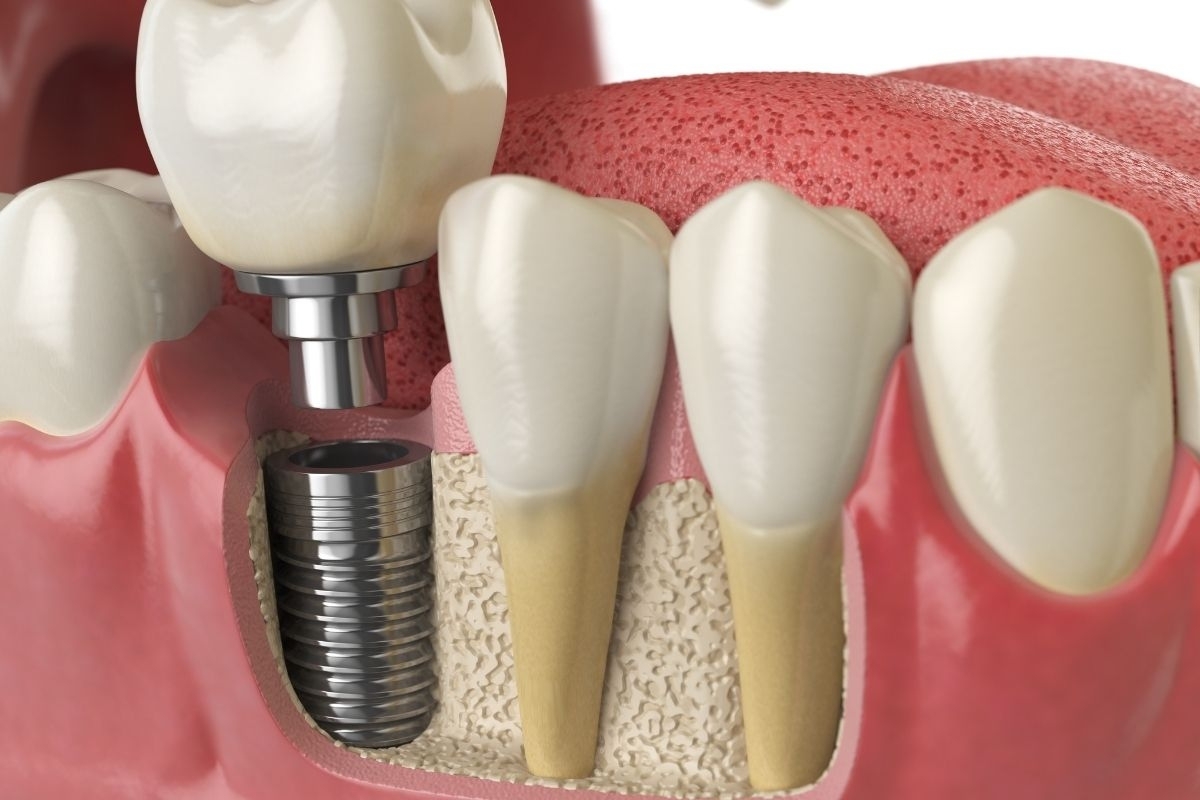
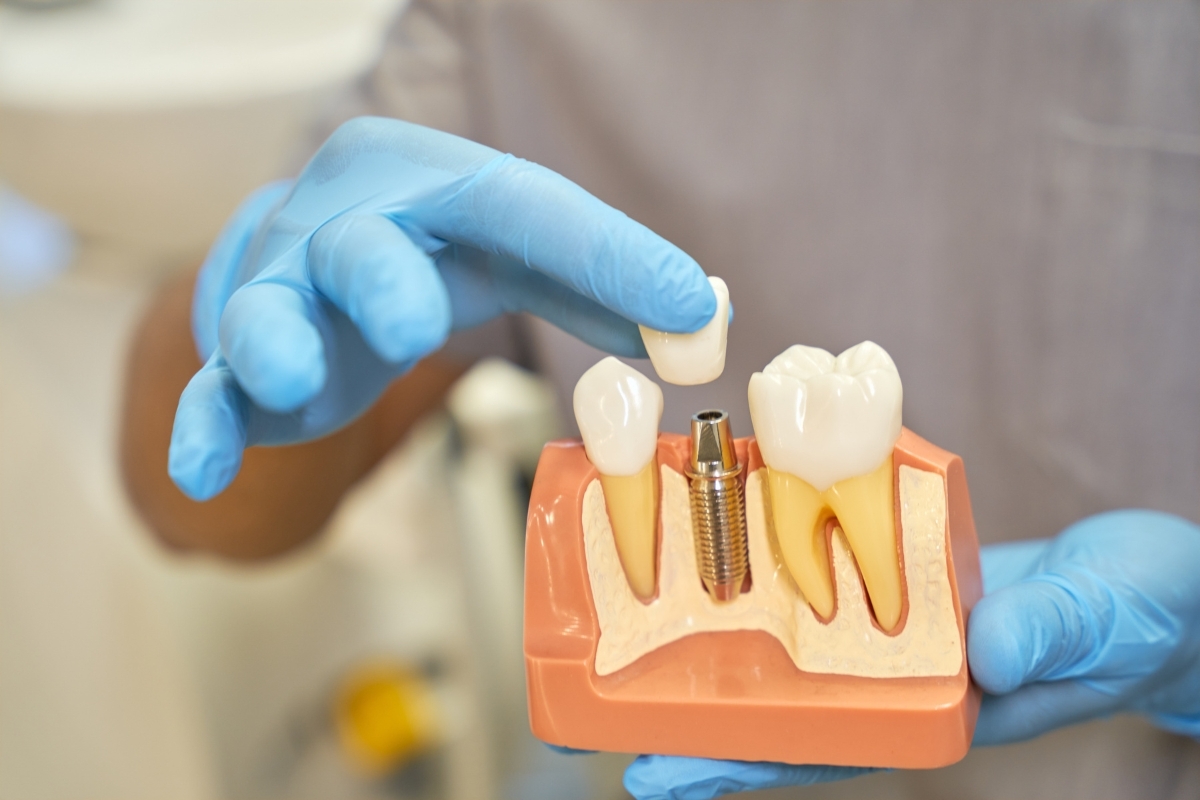
An implant has a different structure from a natural tooth. A small titanium post sits inside the jawbone, while an abutment connects that post to the visible crown. Over time, the surrounding bone bonds with the titanium surface through a process called osseointegration.
This connection is what gives the implant its stability.
You might experience some tenderness after implant surgery, particularly while the area heals. However, noticeable movement is not something you should consider a normal part of recovery. If your implant or replacement tooth seems to shift, have it checked rather than waiting for the feeling to disappear.
What Are the Warning Signs of a Loose Dental Implant?
Sometimes, the changes are subtle. You might notice something unusual while eating breakfast or feel that your replacement tooth no longer sits comfortably when you close your mouth.
Here are some signs worth paying attention to.
Your Replacement Tooth Moves When You Bite
One of the clearest warning signs is movement when chewing. Perhaps the crown feels like it shifts slightly when you eat something firm, or you notice a clicking sensation when your teeth come together.
This does not automatically mean the implant post has become loose. The crown or its connecting screw could be responsible. Still, any unexpected movement deserves an examination.
Your Gums Feel Sore or Look Different
Take a moment to look at the gum tissue surrounding your implant. Does it appear red, swollen, or irritated? Have you noticed bleeding while brushing?
These changes can indicate inflammation around the implant. In some cases, the problem may progress into peri-implantitis, which can affect the bone supporting the implant.
Chewing Has Become Uncomfortable
An implant that previously felt comfortable but now causes pressure or pain when you chew should not be ignored.
Some people describe the sensation as tenderness, while others feel discomfort only when biting down. These symptoms may result from inflammation, an uneven bite, or a problem with the implant restoration.
You Notice an Unpleasant Taste
A persistent bad taste, unpleasant breath, or discharge near the implant may point toward an infection. These symptoms are particularly concerning when they occur alongside gum swelling or tenderness.
Your Bite Feels Different
Have you noticed that your teeth no longer come together the way they used to? A loose or damaged crown can change the way your bite feels.
Even a small adjustment in the position of a restoration can affect chewing comfort.
What Can Cause a Dental Implant to Become Loose?
There is no single explanation for every loose implant. The problem may involve the visible replacement tooth, the connecting components, or the bone and gum tissue beneath it.
Understanding the possible causes helps explain why a proper examination matters.
A Connecting Screw May Have Loosened
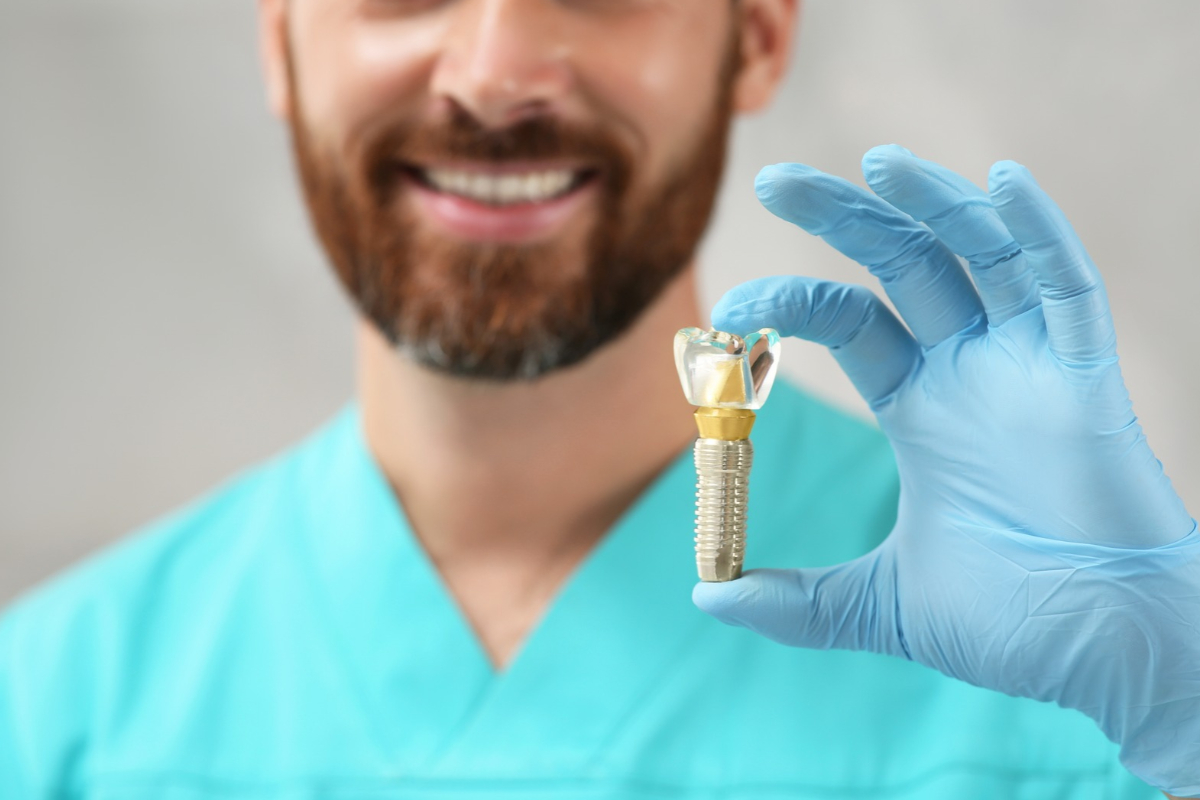
Think of the implant as a structure made of several connected parts. The titanium post provides the foundation, the abutment connects the pieces, and the crown replaces the visible tooth.
The small screw holding these components together can sometimes loosen because of repeated biting forces.
When that happens, the crown may move even though the implant post remains firmly attached to the jawbone. A dental professional can inspect the connection and determine whether tightening or replacing the screw will solve the problem.
The Implant Did Not Bond Properly With the Bone
An implant needs time to integrate with the surrounding jawbone. This healing process is essential because the bone provides the support that keeps the implant stable.
Occasionally, the connection does not develop as expected. Infection, insufficient bone support, smoking, and excessive pressure during healing may contribute to complications.
If the implant fails to integrate, it may not remain stable under normal biting pressure.
Infection Has Affected the Supporting Tissue
Your natural teeth and dental implants both need healthy surrounding tissues. Although implants cannot develop cavities, they are not completely protected from bacterial problems.
Plaque can accumulate around an implant, irritating the nearby gums. If inflammation progresses and begins affecting the supporting bone, the condition is known as peri-implantitis.
Without appropriate treatment, bone loss can eventually compromise implant stability.
Teeth Grinding Is Putting Too Much Pressure on the Implant
Do you wake up with a sore jaw or notice that you clench your teeth during stressful situations?
Repeated grinding and clenching can place considerable pressure on dental restorations. Over time, this may contribute to screw loosening, crown damage, and other mechanical complications.
People who grind their teeth during sleep may not realize how frequently this happens.
The Supporting Jawbone Has Changed
Dental implants depend on adequate bone support. When bone around the implant gradually disappears, the foundation becomes weaker.
This can happen because of untreated inflammation, infection, or other factors affecting bone health. A dental examination and imaging can help identify whether bone changes are contributing to the problem.
How Can a Loose Dental Implant Be Fixed?
The right solution depends on what has become loose. A dentist cannot determine the appropriate treatment simply by looking at the visible crown.
The examination may include checking the movement of individual components, evaluating the gums, assessing your bite, and taking X-rays to examine the surrounding bone.
Depending on the findings, treatment may involve:
Tightening or Replacing the Connecting Screw
If the crown moves but the implant post remains stable, the provider may remove the restoration and inspect its connecting components.
A loose screw may be tightened or replaced. The crown can then be reattached and checked to make sure it fits properly.
Repairing or Replacing the Crown
Sometimes, the crown itself is damaged or no longer fits correctly. In that situation, repairing or replacing the restoration may resolve the problem without removing the implant.
Treating the Surrounding Infection
When gum inflammation or peri-implantitis is responsible, treatment focuses on controlling the infection and protecting the remaining supporting tissue.
Depending on the severity, this may involve professional cleaning, specialized treatment around the implant, or surgical procedures to address affected areas.
Removing the Implant When Necessary
Unfortunately, not every implant can be saved. If the titanium post has become mobile because of failed integration or significant supporting bone loss, removal may be necessary.
Once the area has healed, the dental team can evaluate whether another implant is appropriate or whether a different tooth replacement option would be more suitable.
Important: Do not attempt to tighten a loose crown or move the implant back into position yourself. Avoid chewing on the affected side until you receive professional advice.
When Should You Get a Loose Implant Checked?
You do not need to wait until an implant becomes painful before seeking help. In fact, some implant complications develop gradually without causing noticeable discomfort at first.
Contact a dental professional if you experience movement, persistent tenderness, bleeding, swelling, or changes in your bite.
If you notice pus, increasing swelling, or fever, seek prompt medical or dental attention. Difficulty breathing or swallowing requires emergency medical care.
What Can You Do to Keep Your Dental Implant Stable?
Once an implant has healed successfully, everyday care plays an important role in maintaining the surrounding tissues.
You do not need an elaborate routine. A few consistent habits can help reduce the risk of complications.
- Brush carefully twice a day: Pay attention to the gumline around your implant. A soft-bristled toothbrush can help clean the area without unnecessary irritation.
- Clean between your teeth: Food particles and plaque can collect around implant restorations. Use floss or an interdental cleaner recommended by your dental professional.
- Keep up with dental visits: Regular examinations help identify changes in gum health, bone support, and implant components.
- Do not ignore teeth grinding: If you clench your jaw or grind your teeth, ask whether a night guard could help reduce pressure.
- Avoid tobacco: Smoking can interfere with healing and negatively affect the tissues surrounding implants.
- Be careful with hard foods: Avoid biting directly into extremely hard objects that could damage your crown or place unnecessary stress on the restoration.
The goal is not simply to keep the replacement tooth looking good. Healthy gums, adequate bone support, and properly functioning components all contribute to long-term implant health.
Final Thoughts
Noticing movement around a dental implant can be unsettling, especially when you have invested time and money in restoring your smile. But before assuming the worst, remember that the problem may involve something as simple as a loose connecting screw rather than the implant itself.
What matters is finding out exactly what has changed. Pay attention to unusual movement, gum irritation, discomfort while chewing, or changes in your bite. These signs can help identify a problem before it becomes more difficult to manage.
A dental implant should feel dependable during everyday activities. If yours no longer does, having it evaluated is a sensible next step toward protecting your oral health.
For patients in Lubbock, TX, identifying the source of discomfort is particularly important when an implant has been placed near a previously treated tooth. Maupin Steffensen Endodontics focuses on endodontic care, including conditions affecting the dental pulp and tissues around the roots of teeth. The team can evaluate concerns within its scope of practice and help determine whether further care or referral is needed. If you are experiencing persistent discomfort, schedule an appointment to have the affected area evaluated.
Frequently Asked Questions
Can a dental implant feel loose without actually moving?
Yes. Sometimes, a loose crown or abutment screw creates a sensation that the entire implant is moving. The titanium post may still be firmly attached to the jawbone. A professional examination can distinguish between these problems.
Can a loose dental implant be saved?
In many cases, yes, particularly when the problem involves a crown or connecting screw rather than the implant post. However, an implant that has lost significant bone support or failed to integrate may need removal. Treatment depends on the underlying cause.
Does a loose dental implant always cause pain?
No. Some people notice movement without experiencing pain. Others develop tenderness, swelling, or discomfort when chewing. The absence of pain does not necessarily mean the implant is healthy.
Should I stop eating if my dental implant feels loose?
You do not necessarily need to stop eating, but avoid chewing on the affected side until it has been examined. Softer foods may be more comfortable. Stay away from hard, crunchy, or sticky foods that could increase pressure on the restoration.
How long should dental implants last?
Dental implants can remain functional for many years, sometimes decades. Their lifespan depends on several factors, including bone health, oral hygiene, smoking habits, general health, and how consistently you attend dental checkups.