
By Maupin Steffensen Endodontics | November 14, 2026
Getting dental implants can be an important step toward restoring your smile, improving chewing ability, and feeling more confident about your teeth. After surgery, however, your body needs time to adjust to the implant and repair the surrounding tissues. During this recovery period, everyday habits can influence how comfortably and successfully your mouth heals. Smoking is one habit that deserves particular attention.
If you smoke regularly, you may wonder how long you need to wait before having another cigarette. It is understandable to have questions, especially when returning to your normal routine feels important. However, smoking too soon after implant surgery can interfere with healing, increase the possibility of infection, and put the stability of your new implant at risk.
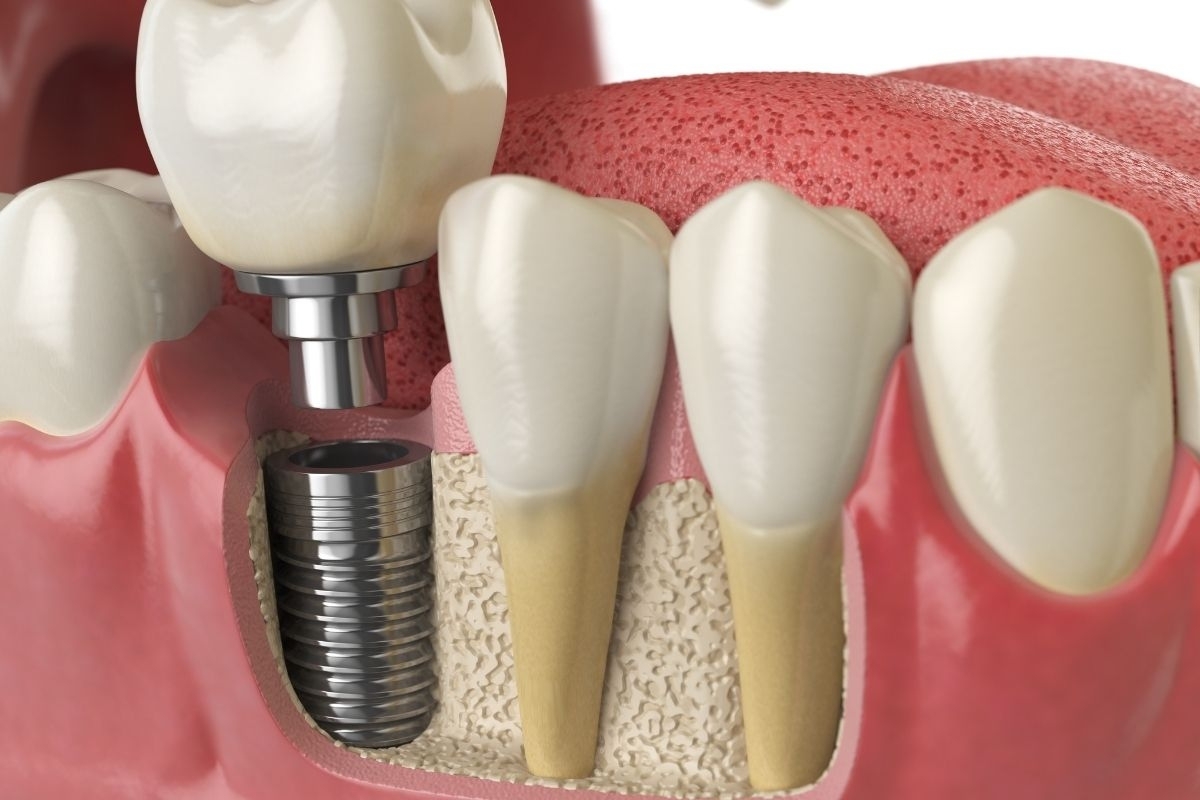
The reason timing matters is that a dental implant needs to integrate with the surrounding jawbone. This process, called osseointegration, allows the implant to become securely anchored before it supports a permanent restoration. Healthy blood circulation and adequate oxygen supply are essential during this stage.
Patients considering or recovering from dental implants in Lubbock should understand how tobacco use can affect this process. Although implants have become a reliable option for replacing missing teeth, their long-term success depends on several factors, including healing conditions, oral hygiene, and following postoperative instructions. Understanding the risks can help you make better decisions during recovery.
Why Is the Initial Healing Period So Important?
The first several days following implant surgery are particularly important. Your gums begin repairing themselves, and a blood clot forms around the surgical area to protect the underlying tissues. At the same time, the implant starts the gradual process of bonding with your jawbone.
This connection does not happen overnight. Osseointegration can take several weeks to a few months, depending on the patient’s healing ability, bone quality, and treatment circumstances.
During this time, exposing the surgical site to cigarette smoke and nicotine can interfere with normal tissue repair. Protecting the area from unnecessary irritation gives your body a better opportunity to heal.
How Does Smoking Affect Dental Implant Healing?
Cigarettes contain nicotine, carbon monoxide, and other harmful substances that can negatively affect the body’s ability to recover after surgery.
Here are some important ways smoking can interfere with implant healing.
Reduces Blood Circulation
Nicotine causes blood vessels to narrow, reducing the amount of blood that reaches the gums and surrounding tissues. This means the surgical area may receive less oxygen and fewer nutrients than it needs for proper healing.
Reduced circulation can slow tissue recovery and make it harder for the implant site to repair itself.
Increases the Risk of Infection
Smoking can interfere with the body’s natural immune response. As a result, the tissues around the implant may become more vulnerable to bacterial infections.
An infection around a dental implant can cause pain, swelling, bleeding, and damage to the surrounding bone if left untreated.
Interferes With Osseointegration
For an implant to remain stable, it must develop a strong connection with the jawbone. Smoking can interfere with bone healing and increase the possibility that the implant will not integrate properly.
If this connection fails to develop, the implant may become loose and could eventually require removal.
Increases the Risk of Peri-Implantitis
Peri-implantitis is an inflammatory condition affecting the gum tissue and bone surrounding a dental implant. It is commonly associated with bacterial buildup and can lead to progressive bone loss.
Smoking is an important risk factor for this condition. Continued tobacco use may make it harder to maintain healthy tissues around the implant, even after the initial surgical recovery.
How Long Should You Wait Before Smoking After Implant Surgery?
Most dental professionals recommend avoiding smoking for at least 72 hours following implant surgery. However, this should be considered a minimum precaution rather than a guarantee that smoking is safe afterward.
The surgical site continues healing long after the first few days. For better recovery, patients are generally encouraged to avoid smoking for several weeks, and ideally throughout the osseointegration period, which may last two to three months or longer.
The exact recommendation depends on the complexity of the procedure, your overall health, and how well the implant site is healing.
If you have received implant-related treatment alongside other dental procedures, your postoperative instructions may differ. Follow the recommendations provided by your treating dental professional rather than relying on a general timeline.
Is Vaping or Using Other Nicotine Products a Safer Alternative?
Some people consider switching to vaping, nicotine gum, or other nicotine products while recovering from implant surgery. Although these options may eliminate direct exposure to cigarette smoke, they are not necessarily risk-free.
- Vaping: Many vaping products contain nicotine, which can restrict blood circulation and interfere with healing. The effects of vaping on implant recovery are still being studied.
- Nicotine gum: It delivers nicotine through the oral tissues, so it may not be an appropriate substitute during recovery.
- Nicotine patches: These avoid direct contact with the surgical area but still deliver nicotine into the bloodstream.
If quitting feels challenging, speak with your healthcare provider about appropriate smoking cessation support. Do not assume that switching products makes nicotine exposure harmless during implant healing.
What Can You Do to Support Recovery After Dental Implant Surgery?
Avoiding tobacco is one important part of recovery, but your everyday care habits also matter. Following your postoperative instructions can help protect the surgical area and support healthy tissue repair.
Stay Hydrated
Drink enough water throughout the day to prevent dry mouth and support normal bodily functions. Avoid alcohol and follow your dental provider’s instructions about beverages during the initial recovery period.
Choose Soft Foods
Your implant site may feel tender after surgery. Choose foods that require minimal chewing, such as yogurt, scrambled eggs, mashed potatoes, oatmeal, and soft-cooked vegetables.
Avoid hard, crunchy, sticky, or very hot foods until your dental provider says they are safe.
Follow Your Oral Hygiene Instructions
Keeping your mouth clean helps reduce bacterial buildup. Brush and floss as directed, taking care around the surgical area. Your provider may also recommend a specific antimicrobial rinse during recovery.
Attend Follow-Up Visits
Follow-up appointments allow your dental provider to examine the surgical site and monitor healing. These visits are especially important if you have a history of smoking or other factors that may affect recovery.
Avoid Disturbing the Surgical Area
Do not touch, press, or repeatedly check the implant site with your fingers or tongue. Avoid vigorous rinsing, spitting, or any other activity your postoperative instructions restrict.
When Should You Contact Your Dental Provider?
Some tenderness, mild swelling, and minor discomfort are expected after implant surgery. These symptoms should generally improve as healing progresses.
However, certain changes may indicate a complication that needs attention. Contact your dental provider if you experience:
- Pain that becomes increasingly severe instead of improving.
- Swelling that worsens or spreads to nearby areas.
- Persistent bleeding around the implant.
- Pus or unusual drainage near the surgical site.
- Fever or signs of infection.
- An implant that feels loose or moves unexpectedly.
If you experience difficulty breathing or swallowing due to swelling, seek emergency medical attention immediately.
Early evaluation can help identify complications and determine whether additional care is necessary.
Final Thoughts
Returning to smoking after dental implant surgery is not a decision to rush. Although avoiding cigarettes may be difficult, giving your gums and jawbone enough time to heal can make an important difference in your treatment outcome.
Smoking can reduce blood circulation, interfere with bone integration, and increase the risk of infection and implant-related complications. Ideally, avoid tobacco throughout the healing period and discuss any difficulties with your healthcare provider.
If you have concerns about implant recovery, tobacco use, or complications following oral surgery, professional guidance can help you understand the safest next steps.
If you have questions about dental implant recovery or need guidance about protecting your oral health, schedule an appointment with Maupin Steffensen Endodontics in Lubbock, TX, today.
Frequently Asked Questions
Can I smoke immediately after dental implant surgery?
No. Smoking immediately after surgery can interfere with blood clot formation, reduce oxygen delivery to the surgical area, and increase the risk of healing complications. Avoid smoking for at least the first 72 hours and preferably much longer.
Can smoking cause a dental implant to fail?
Yes. Smoking increases the risk of implant failure by affecting blood circulation, bone healing, and the body’s ability to fight infection. However, smoking does not mean implant failure is inevitable.
Is vaping safe after dental implant surgery?
Vaping is not considered a safe alternative during recovery, particularly when the product contains nicotine. Nicotine can restrict blood flow and potentially interfere with tissue healing.
How long does it take for a dental implant to heal completely?
Initial gum healing often takes a few weeks, while osseointegration generally requires several weeks to a few months. The overall treatment timeline depends on bone quality, surgical complexity, and individual healing.
Can I use nicotine patches after dental implant surgery?
Nicotine patches avoid direct exposure of the surgical site to smoke, but they still deliver nicotine into the bloodstream. Ask your healthcare provider whether nicotine replacement therapy is appropriate during your recovery.
What happens if I accidentally smoke after implant surgery?
One cigarette does not automatically mean your implant will fail. However, smoking can increase healing risks. Stop smoking again, follow your postoperative instructions, and contact your dental provider if you notice unusual pain, bleeding, or swelling.
Can smokers still get dental implants?
Yes. Many people who smoke can qualify for dental implants. However, smoking increases the likelihood of complications, so your dental provider may recommend quitting or reducing tobacco use before surgery and throughout recovery.
Why is smoking particularly harmful during osseointegration?
Osseointegration requires healthy bone formation and adequate blood supply around the implant. Nicotine-related blood vessel constriction and other effects of tobacco use can interfere with these processes, potentially weakening the implant’s connection with the jawbone.